
By Maphuti Machabaphala
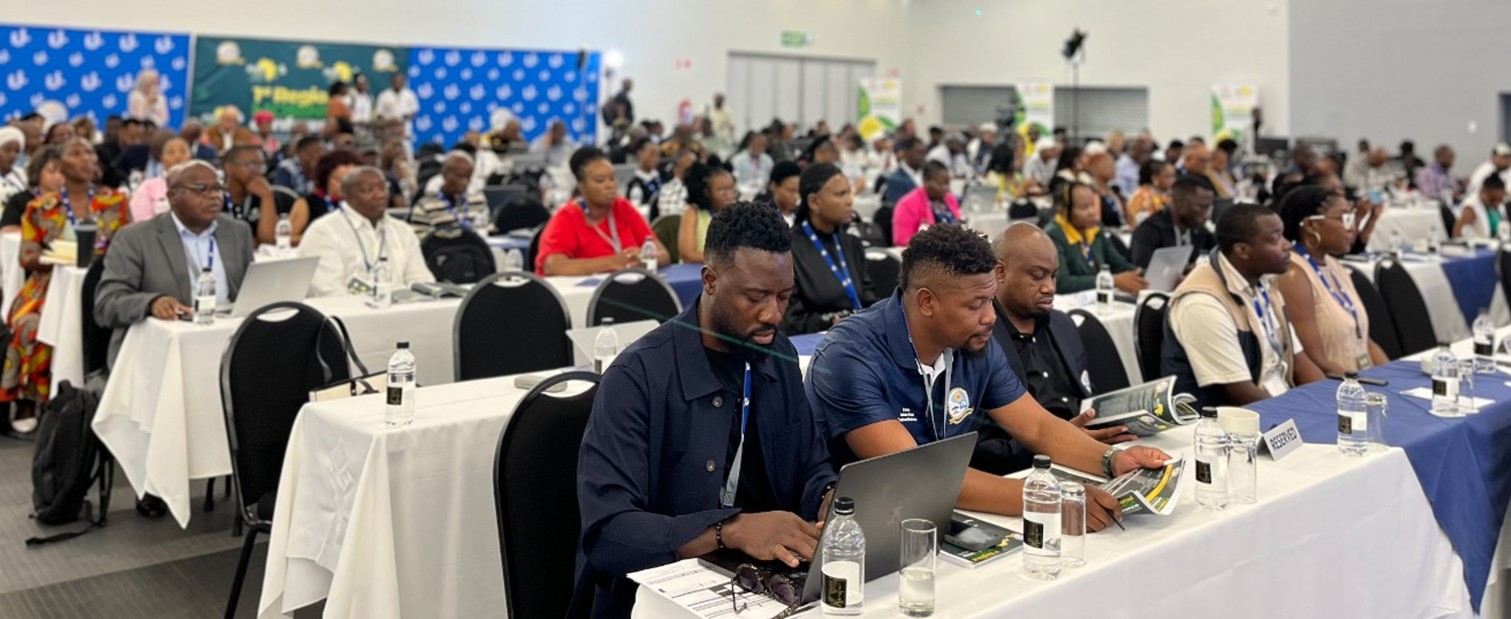
The 1st Annual Regional Moringa Conference, hosted by the University of Limpopo at The Ranch Resort and Hotel in Polokwane, marked a significant milestone for agricultural innovation and sustainable development in the province. More than a gathering of experts, this three-day event represented the beginning of a transformative movement to position Moringa as a key contributor to health, wealth, and sustainability across Africa.
Held under the theme “Moringa – Africa’s Green Gold: Unlocking Health, Wealth, and Sustainability,” the conference brought together leading researchers, innovators, farmers, policymakers, and industry stakeholders. United by a common vision, participants explored how the full potential of the Moringa plant could be unlocked to drive inclusive growth and sustainable livelihoods.
Through research-led presentations and insightful panel discussions, delegates examined diverse topics ranging from indigenous crop agro-processing and product testing to conformity moderation, innovation systems aligned with the Fourth Industrial Revolution, funding mechanisms, and value chain creation. The conversations underscored how science, innovation, and collaboration could elevate Moringa from a traditional medicinal plant into a catalyst for agricultural and economic transformation.
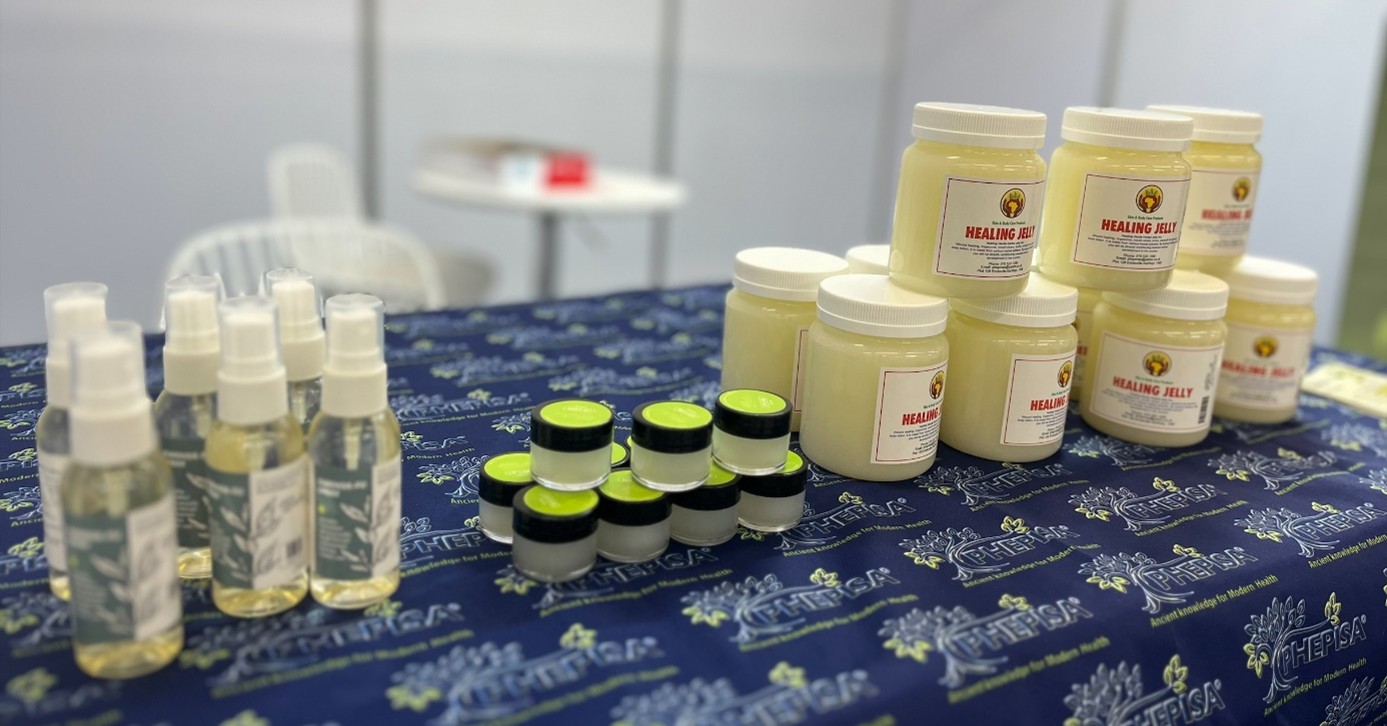
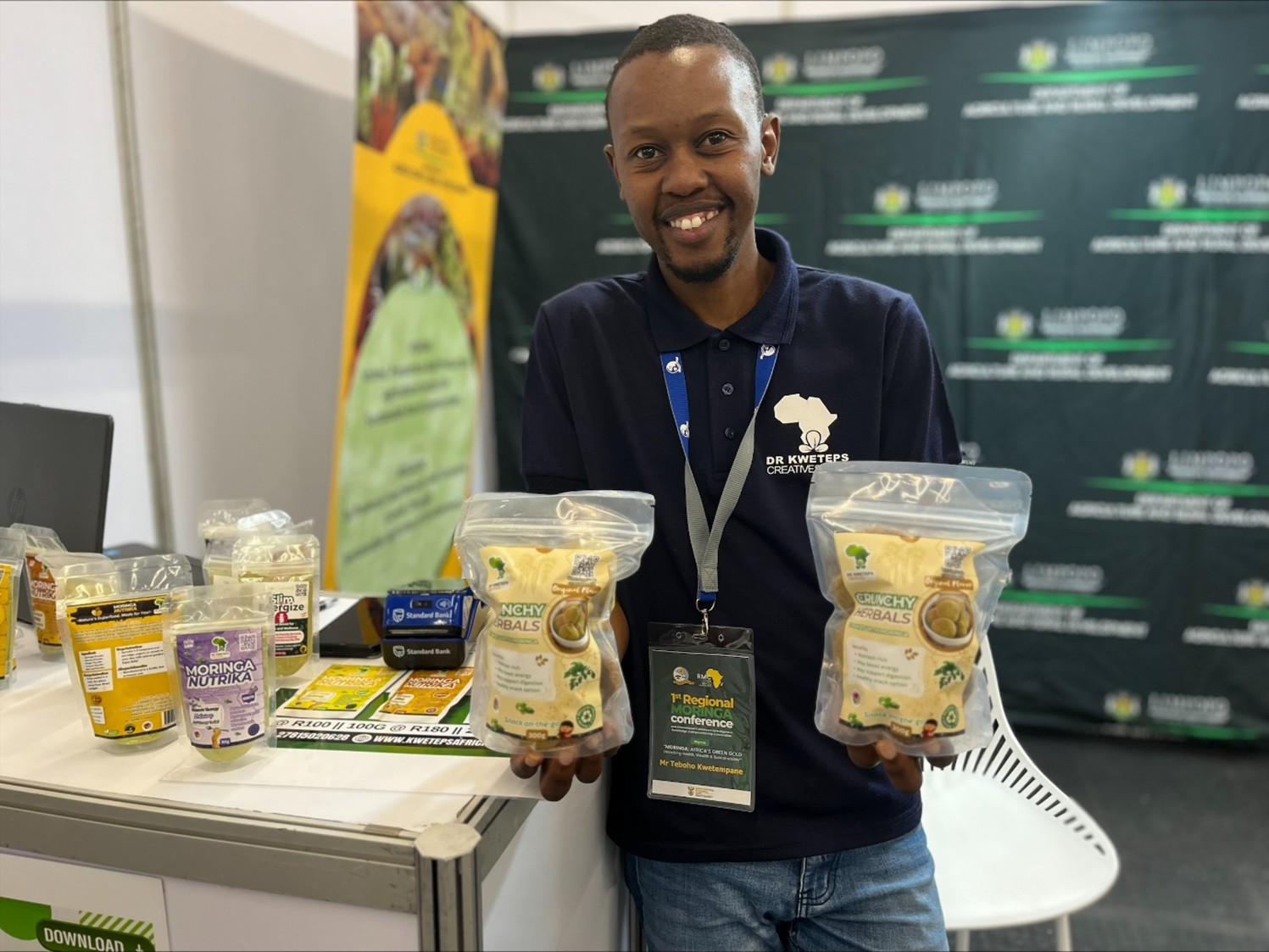
Beyond the scientific discourse, the conference highlighted practical opportunities emerging from Moringa’s versatility. Presentations showcased its growing applications in African traditional medicine, cosmeceuticals, nutraceuticals, and health infusion beverages — sectors that hold the potential to position Limpopo at the heart of South Africa’s burgeoning Moringa economy.
The second day of the conference further expanded on these discussions through interactive sessions and exhibitions. A key focus was placed on the role of Indigenous Knowledge Systems Institutes in advancing Moringa research and commercialisation, navigating opportunities within the green economy, and enhancing livelihoods through community-based agricultural models.
Distinguished keynote addresses were delivered by Dr. Carrie Waterman from the University of California, USA, and Professor Kudakwashe Chitindingu from Chinhoyi University of Technology, Zimbabwe. Both speakers emphasised the importance of regional collaboration, scientific research, and innovation in establishing Africa as a global leader in Moringa production and commercialisation.
Conferences of this nature are instrumental in fostering knowledge exchange, building partnerships, and driving innovation across borders. As the University of Limpopo continues to champion such initiatives, the Regional Moringa Conference has set a strong foundation for sustainable agricultural growth — planting the seeds for Africa’s “green gold” to flourish into a source of health, economic opportunity, and environmental resilience.