
By Baakedi Rachidi
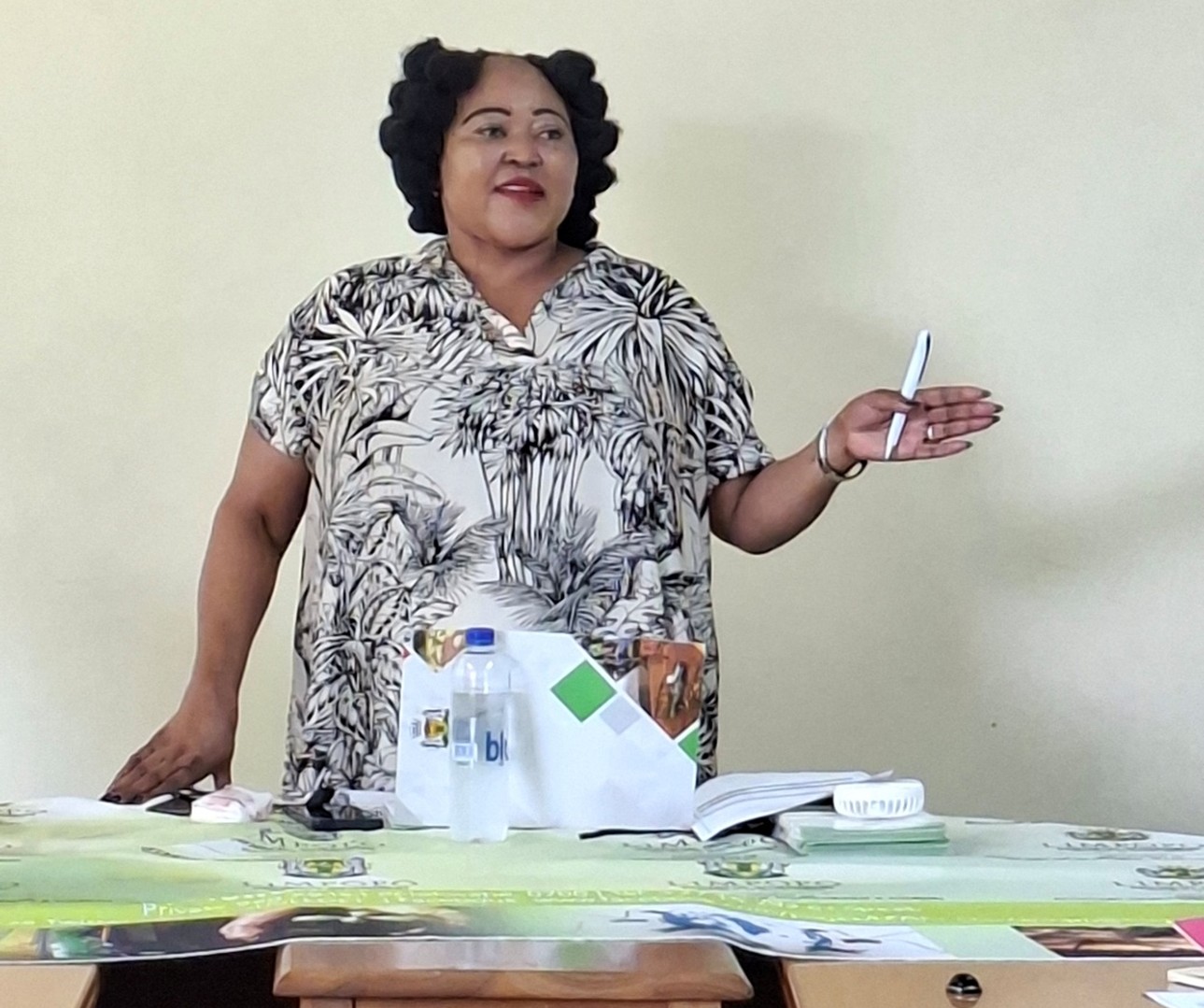
Irene Phoffu
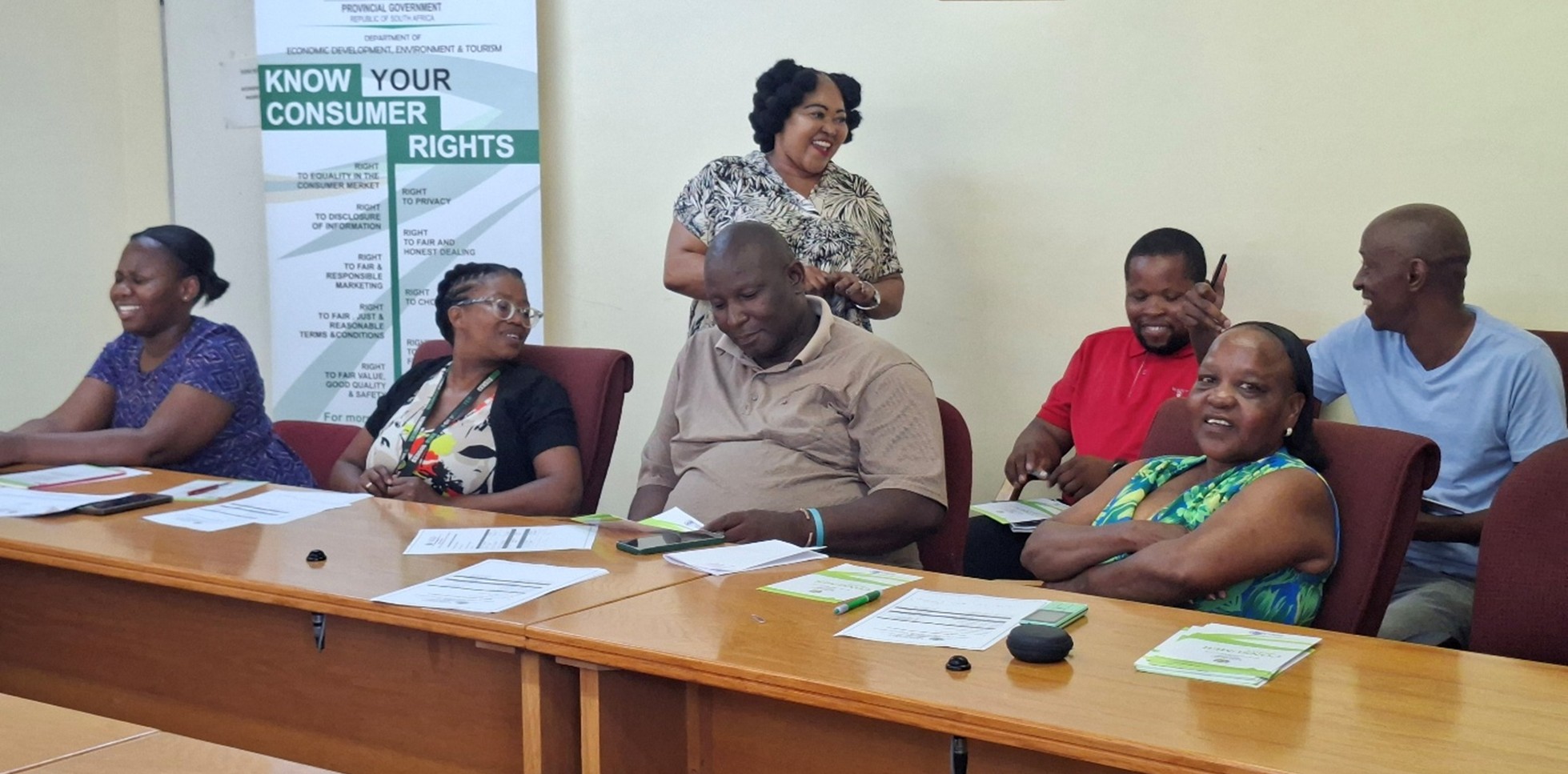
Staff members from Limpopo Department of Agriculture and Rural Development (LDARD) district office and the Agro-Ecological East Zone attended a consumer education workshop held at the district office in Modimolle on Wednesday, 28 January 2026. The workshop sought to provide employees with knowledge of consumer rights and responsibilities. The session was facilitated by Ms. Irene Phoffu from the Limpopo Department of Economic Development, Environment and Tourism (LEDET). In her presentation, Ms. Phoffu highlighted key consumer rights as outlined in the Consumer Protection Act. These included the right to equality in the consumer market, the right to disclosure of information, fair and responsible marketing, fair and reasonable terms and conditions, fair value, good quality and safety, privacy, fair and honest dealing, the right to choose and the right to accountability from suppliers. She stressed the importance of consumer education, noting that informed consumers are better equipped to question prices, compare alternatives and resist impulsive buying decisions. She reminded attendees that they are not only consumers but may be sellers or business owners.
Ms. Phoffu emphasised that prices must always be clearly displayed and visible to consumers, highlighting that “the price you see is the price you pay.” She also explained that consumers have the right to renegotiate payment terms where necessary. Participants were actively engaged and sought clarity on various issues, including the meaning of prescribed debt. The presenter explained that prescribed debt refers to debts that can no longer be legally enforced by a creditor because too much time has lapsed since the last payment was made. The workshop further covered the consequences of missed payments, noting that credit bureaus review payment behavior and may classify individuals as slow payers, eventually leading to blacklisting or administration. Such records can negatively affect individuals during vetting processes. Ms. Phoffu also explained the concept of “cooling off period,” which allows consumers a specific timeframe to cancel certain contracts. In concluding the workshop, she encouraged participants to become critical thinkers rather than passive buyers, advising them to “stay in your lane,” meaning to make purchasing decisions within their financial means.