
By Maphuti Macahbaphala
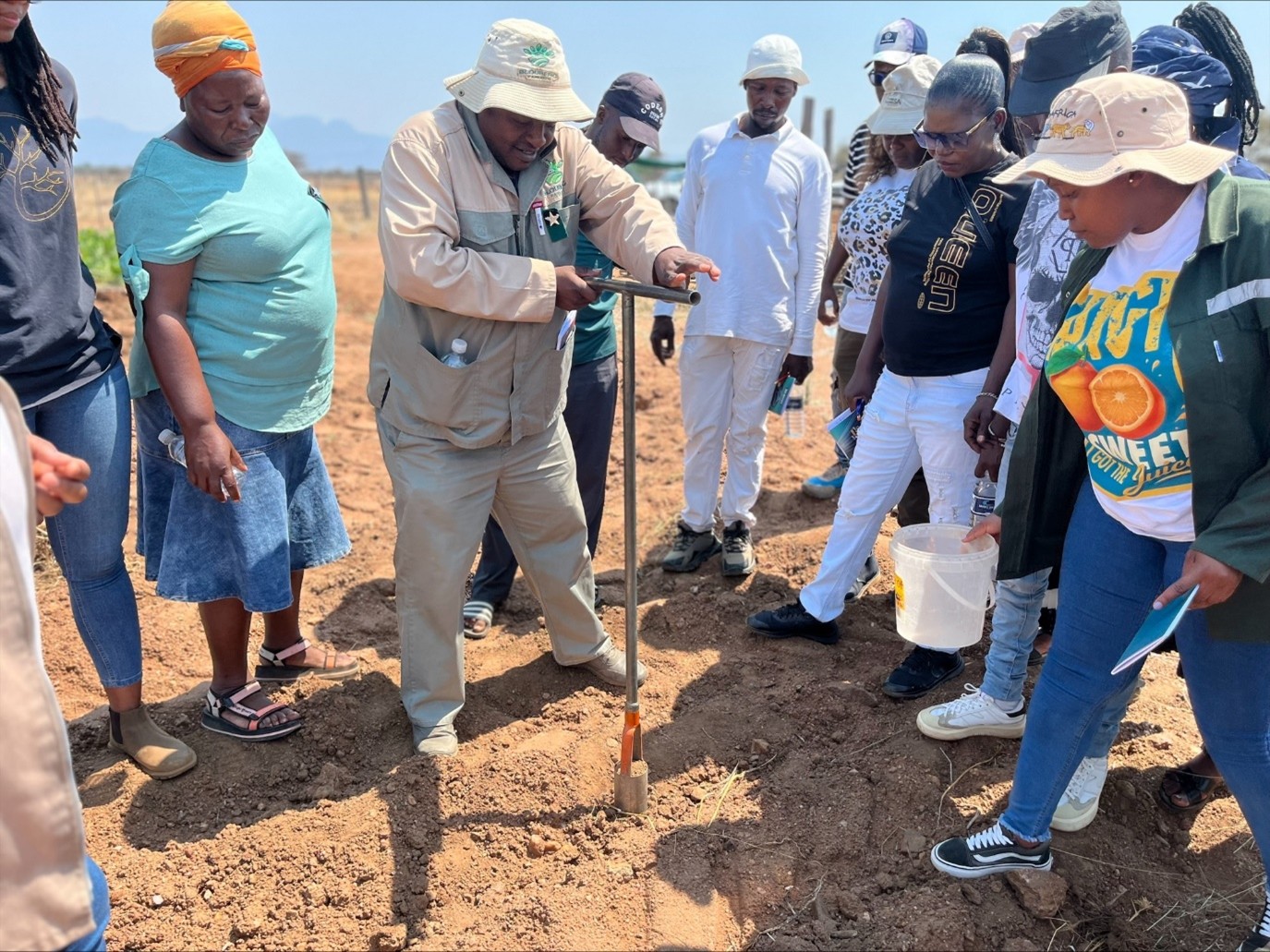
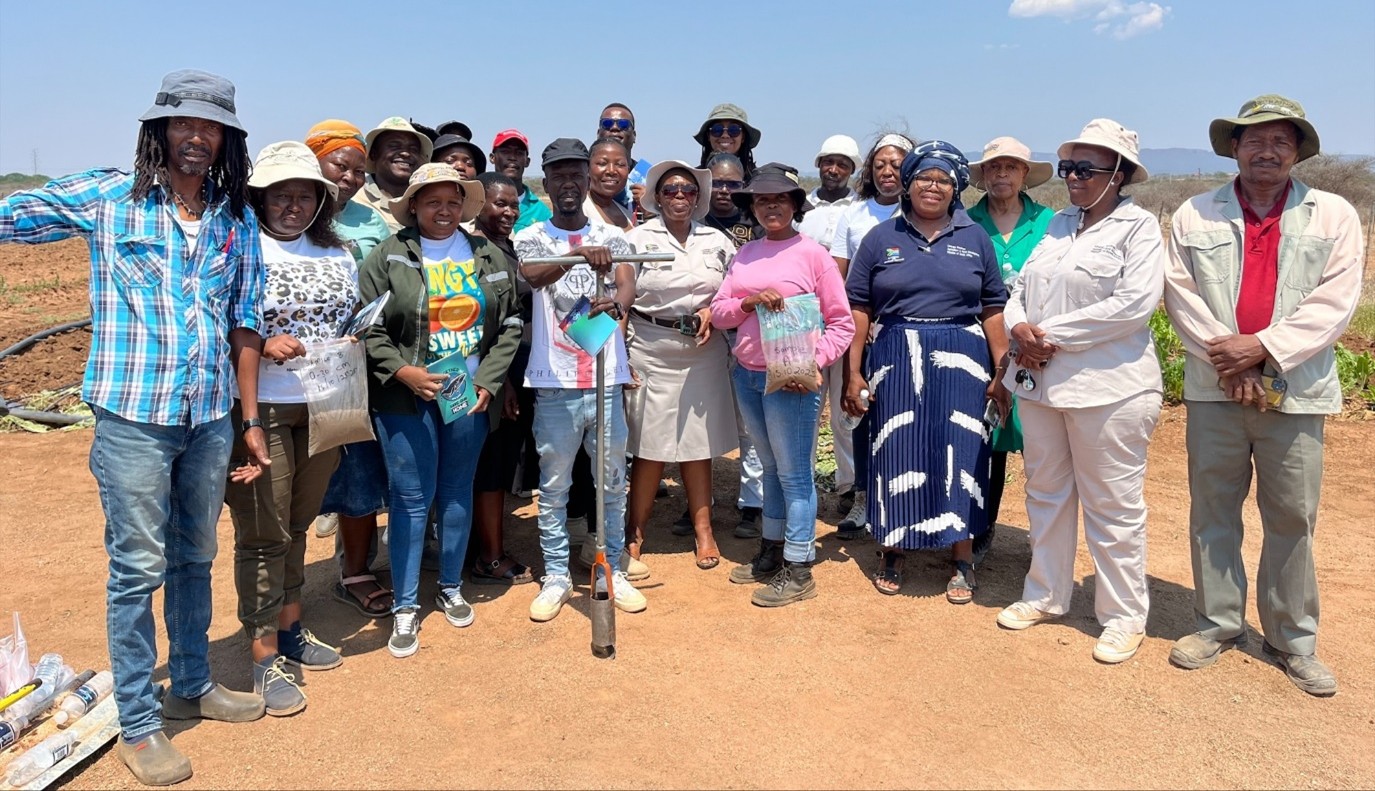
In the heart of Bochum, under the Blouberg Local Municipality within the Capricorn East Agro Ecological Zone, a transformative three-day credit-bearing training was recently held — empowering local farmers with knowledge that cultivated both their fields and their futures.
The programme focused on strengthening the foundation of primary agriculture by blending theory with practical experience. Farmers were guided through essential areas such as soil testing, crop management, planting techniques, fertilisation, pest control, and record keeping. Each session was designed to equip them with the tools to make informed decisions — the kind that translated into healthier soils, improved yields, and resilient farming enterprises.
Beyond just technical knowledge, the workshop placed strong emphasis on sustainable and climate-smart farming. As weather patterns continued to shift and agricultural landscapes evolved, these lessons proved crucial in ensuring that farmers not only adapted but thrived. By understanding how to balance productivity with environmental care, participants learned to see their farms as ecosystems — living systems that, when nurtured correctly, could sustain both people and planet.
This initiative, led by the Department, was more than a training session; it was an investment in rural livelihoods and community development. It bridged the knowledge gap between traditional farming methods and modern agricultural practices, creating a pathway for farmers to grow from subsistence producers to commercially viable entrepreneurs.
At the conclusion of the programme, participants received their NQF Level 1 certificates — a symbol of both achievement and opportunity. But the real value lay in the confidence and capability they gained to apply what they had learned back home. With improved skills and a deeper understanding of primary agriculture, these farmers became better positioned to increase production efficiency, improve the quality of their crops, and contribute meaningfully to food security in their communities.
Through initiatives like this, the Department reaffirmed its commitment to developing the agricultural sector from the ground up — empowering farmers, growing communities, and nurturing the seeds of sustainability that would define the future of agriculture in Limpopo and beyond.