

By Dr Nkgodi Diale and Nape Masemola
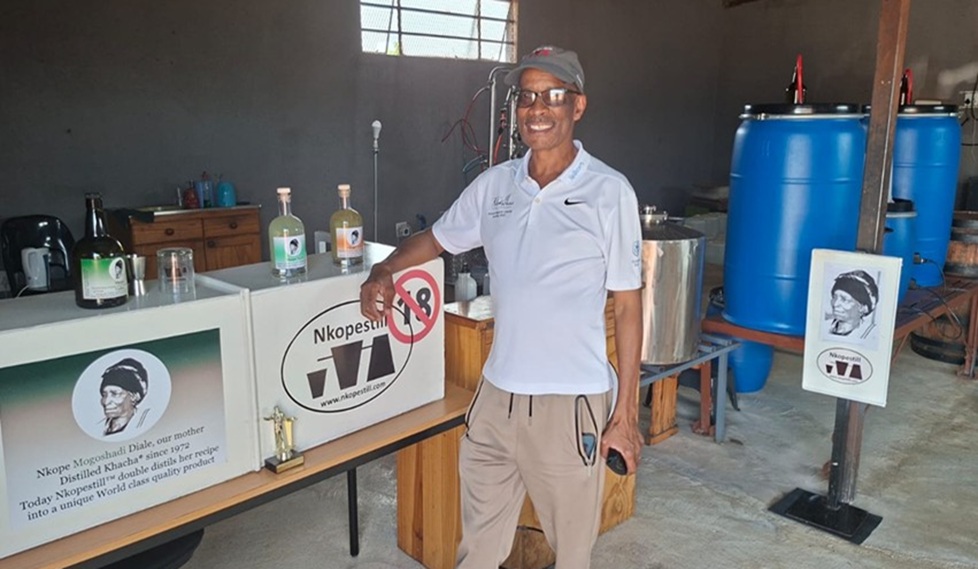
Dr Nkgodi Diale, a retired LDARD official, is currently a Gin Distiller located at Ga-Marishane Village in Makhuduthamaga, Sekhukhune District.
Today, the global community faces an unprecedented surge in heavy rainfall and devastating floods. This shift in the hydrological cycle is not just an environmental concern; it is a direct threat to the livelihoods and food security. The agricultural sector is grappling with two primary disruptions, which are Seasonal Irregularities and Rainfall Volatility.
- Seasonal Irregularities: Extreme summer temperatures and “seasonal shifting,” where high temperatures persist well into the traditional winter months.
- Rainfall Volatility: Unpredictable patterns and erratic intensity that defy historical norms.
The impact on agriculture
The consequences of increased precipitation and flooding are profound:
- Soil Degradation: Intense flooding causes severe soil erosion, relocating fertile topsoil and contaminating productive land.
- Nutrient Depletion: “Soil wash” leaches vital nutrients, forcing farmers to increase chemical inputs to sustain crop yields.
- Waterlogging: Excessively saturated soil prevents root aeration, hindering nutrient absorption and leading to stunted plant growth.
- Biological Stress: Increased humidity fosters the spread of fungal and bacterial diseases, which lowers productivity and inflates production costs.
- Decision Paralysis: unpredictable weather makes it nearly impossible for farmers to accurately time planting or select the right cultivars.
Strategic Adaptation
To build resilience against these shifts, prioritise environmental stewardship and smarter farming techniques:
- Combat Deforestation: We must prevent vegetation loss caused by veld fires, over-harvesting for medicinal use, and improper woodcutting. Healthy vegetations is essential for regulating local rainfall patterns and providing a natural buffer against erosion.
- Manage Grazing: Avoiding overgrazing is critical; maintaining ground cover protects the land from being stripped by wind and water.
- Implement Sustainable Practices: Transitioning to Climate-Smart Agriculture, conservation tillage, and contour farming (planting across slopes) can drastically reduce runoff.
Soil erosion is the ultimate consequence of poor socio-agro-cultural practices. “Protecting our soil is the first step in protecting our future”, concluded Dr Diale.
The article content appears courtesy of Dr Nkgodi Diale from his paper CLIMATE CHANGE: ADAPTATION TO ENVIRONMENTAL AND SOCIO-ECONOMIC CHALLENGES presented during the SAESAE conference at Langebaan Western Cape in May 2010. Dr Nkgodi Diale is a retired official of the Limpopo Department of Agriculture and Rural Development (LDARD).
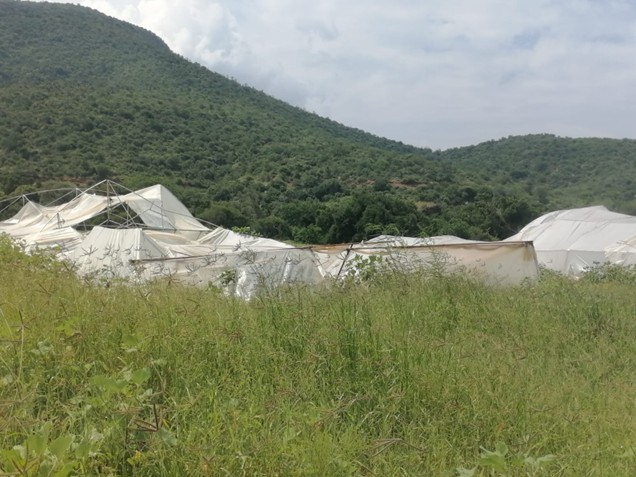
The recent damage of agricultural infrastructure at Philip Kgapane’s project in the Sekhukhune District Fetakgomo-Tubatse Municipality.