

By Maphuti Machabaphala
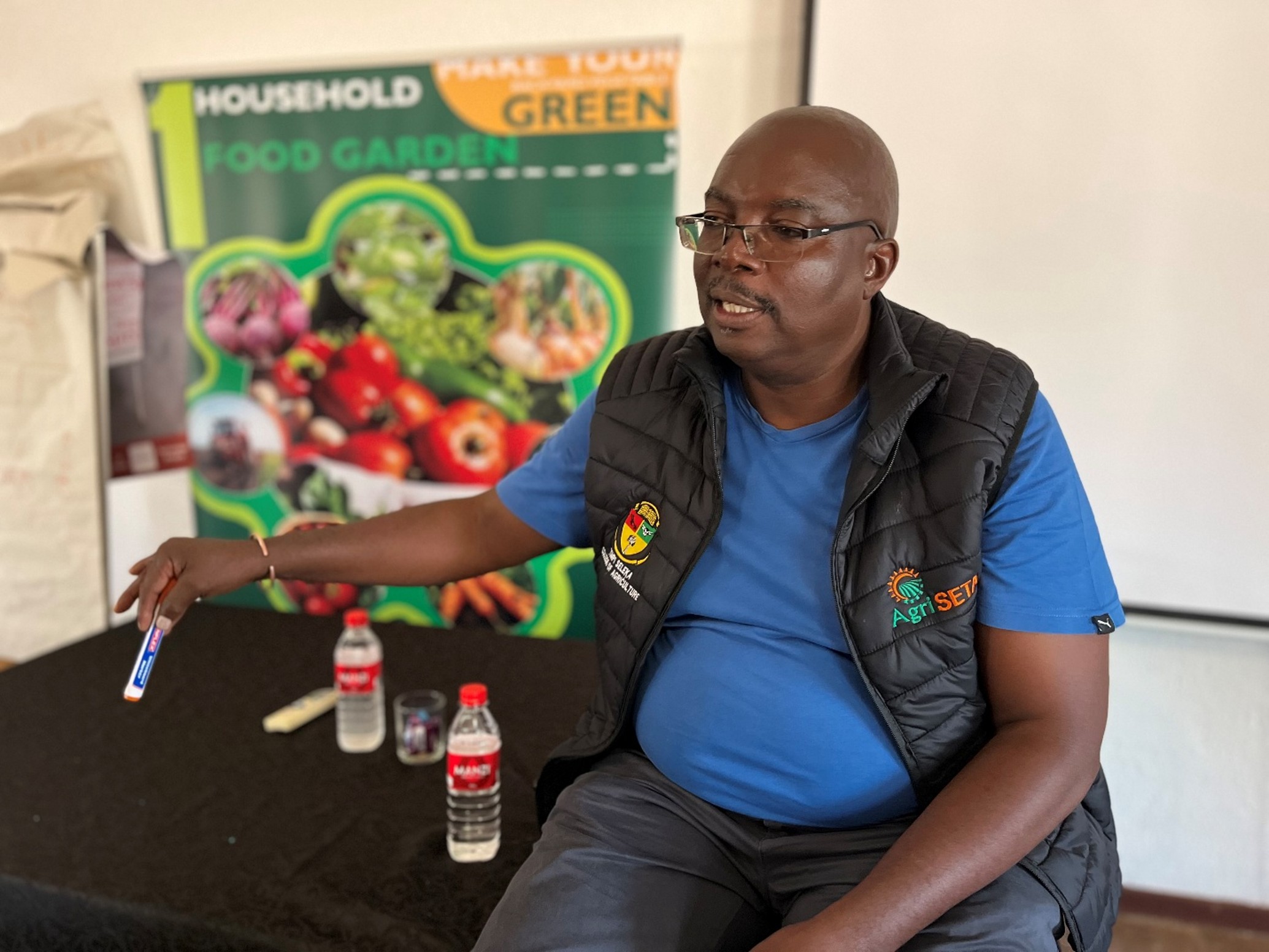
Twenty-five livestock farmers from the Capricorn South Agro-Ecological Zone have strengthened their knowledge of sustainable livestock production following the completion of a three-day NQF Level 1 credit-bearing training held at Patong Lodge in Lebowakgomo.
The training, centered on assessing the influence of the environment on sustainable livestock production, placed particular emphasis on the realities faced by farmers practicing open and communal grazing. It equipped participants with knowledge to better understand how their surrounding environment, grazing resources and management practices affect livestock health, feeding, productivity and the long-term sustainability of their enterprises.
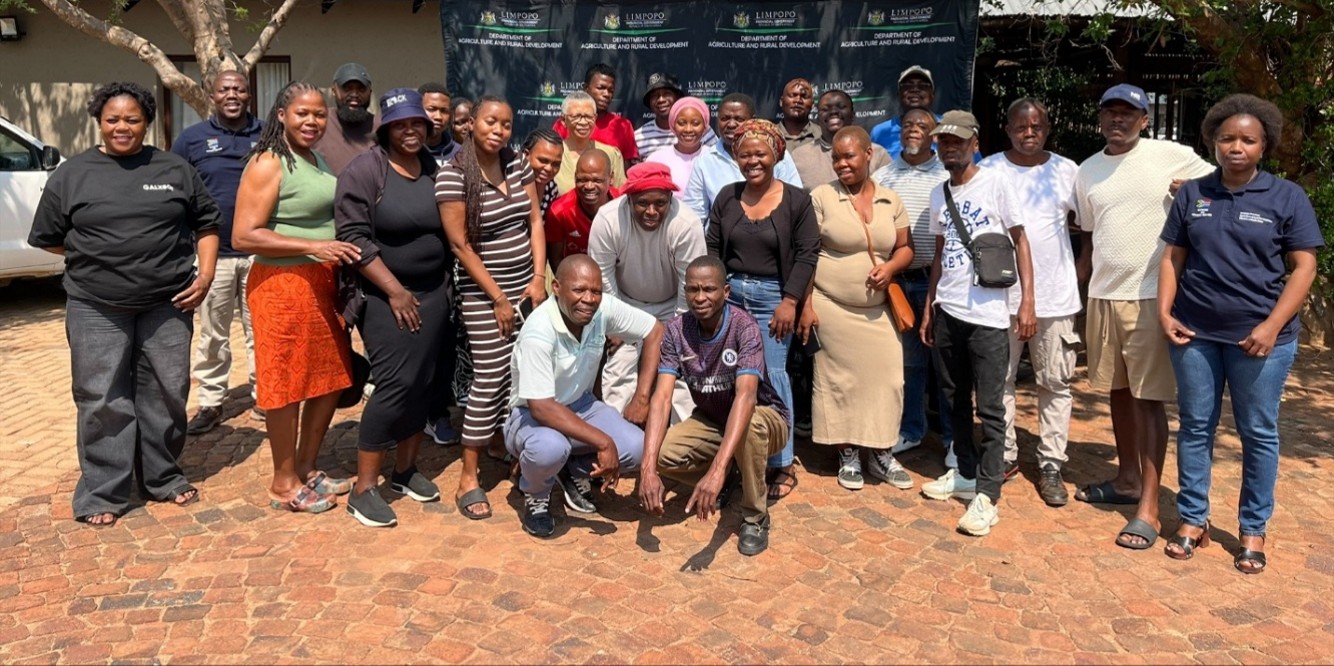
A three-day NQF Level 1 credit-bearing training equipped participants for better understanding.
Facilitated by Dr Magoro Madimetja and Ms. Chauke Mpfumelo from Tompi Seleka College of Agriculture, the training explored the relationship between the veld, livestock and the environment. Farmers examined environmental factors influencing the veld and different vegetation types, as well as how veld composition affects livestock feeding preferences and habits.
The programme further addressed environmental considerations in livestock breed selection, supplementary feeding options and different types of animal feed and their nutritional value. Farmers were also introduced to beneficial and harmful organisms affecting livestock production, including noxious plants that can hinder productivity.
Animal health, factors influencing livestock production and effective livestock management practices in communal farming systems also formed part of the training, alongside discussions on how agricultural management practices can either support or undermine environmental sustainability.
For farmers operating in communal and open-grazing systems, understanding these interconnected factors is critical to making sound day-to-day management decisions. The knowledge gained through the training is expected to assist farmers in improving animal health and productivity while making more sustainable use of available grazing resources.
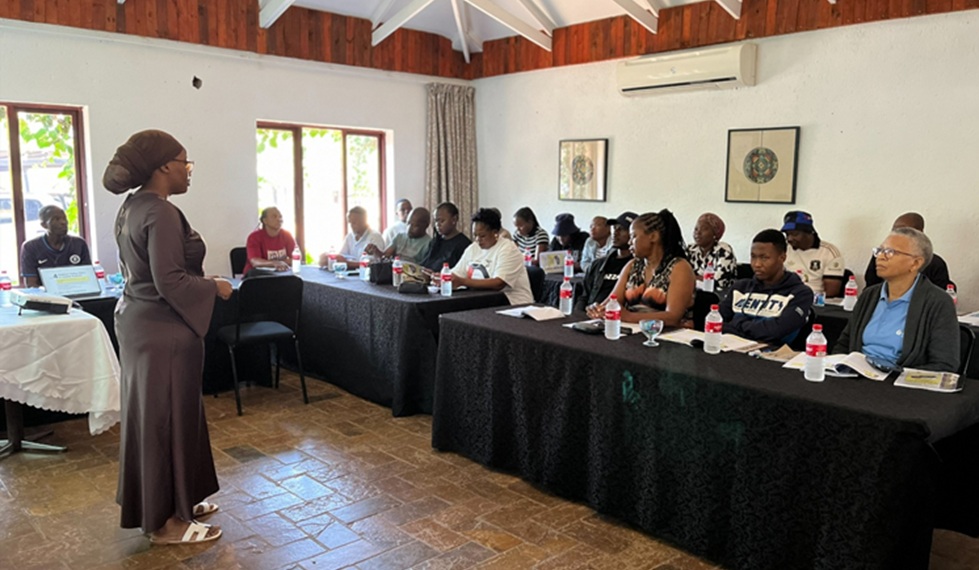
Ms. Chauke Mpfumelo takes the farmers through veld types and their nutritional value for livestock.
The training forms part of the Limpopo Department of Agriculture and Rural Development’s (LDARD) continued investment in farmer capacity development. Through targeted skills-development programmes, the Department is equipping farmers with practical knowledge and competencies needed to strengthen their farming enterprises and contribute to sustainable agricultural production in the province.