
Maphuti Machabaphala
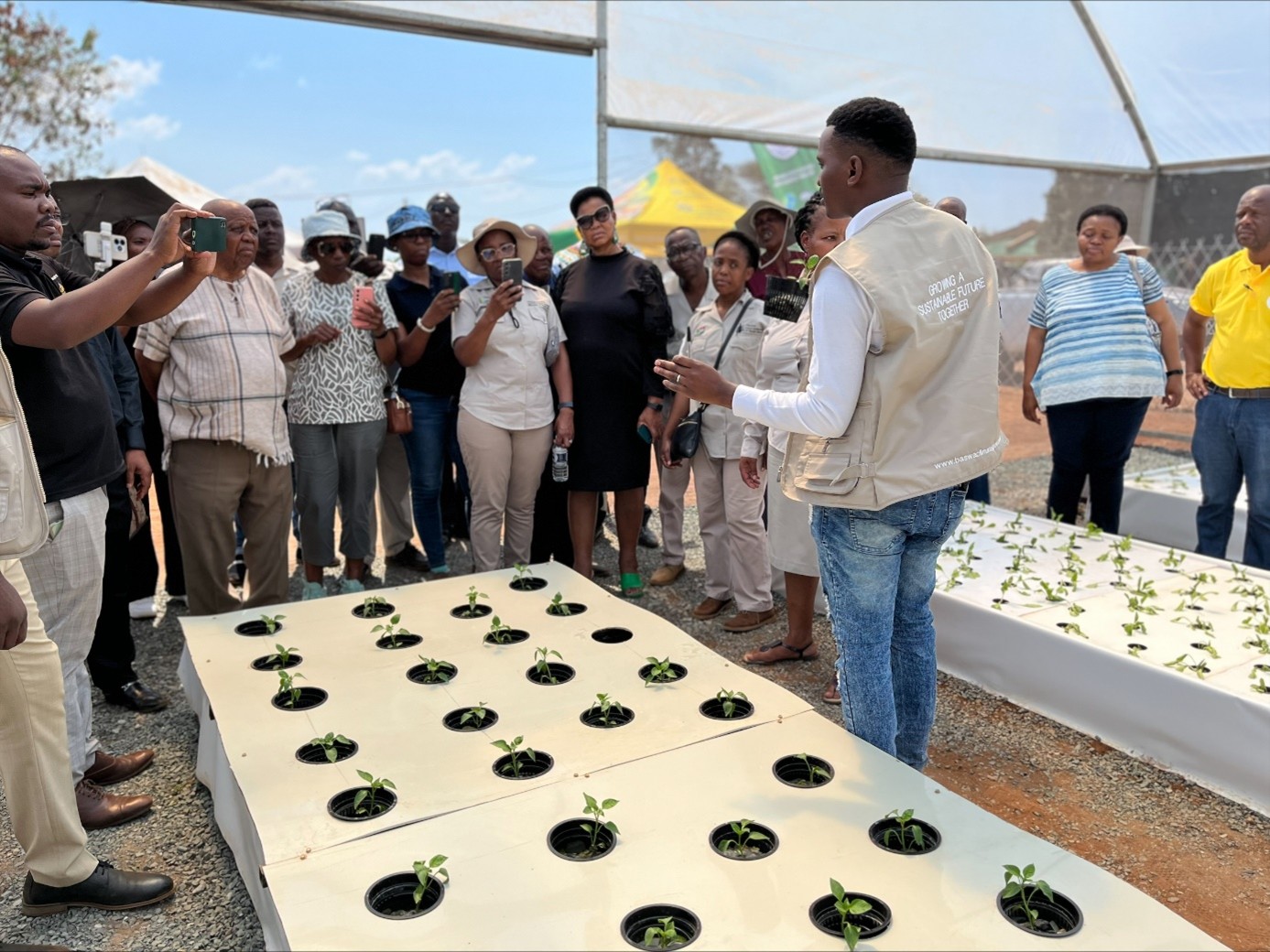
Climate-smart agriculture continues to redefine the future of farming in Limpopo, demonstrating how innovation and sustainability can co-exist to strengthen rural economies. Within the Capricorn East Agro Ecological Zone, under the Molemole Local Municipality, Baswa Climate Grow in Bochum Mohodi exemplified this progress through the successful implementation of an advanced aquaponics system — a model that integrates crop and fish production within a single, self-sustaining ecosystem.
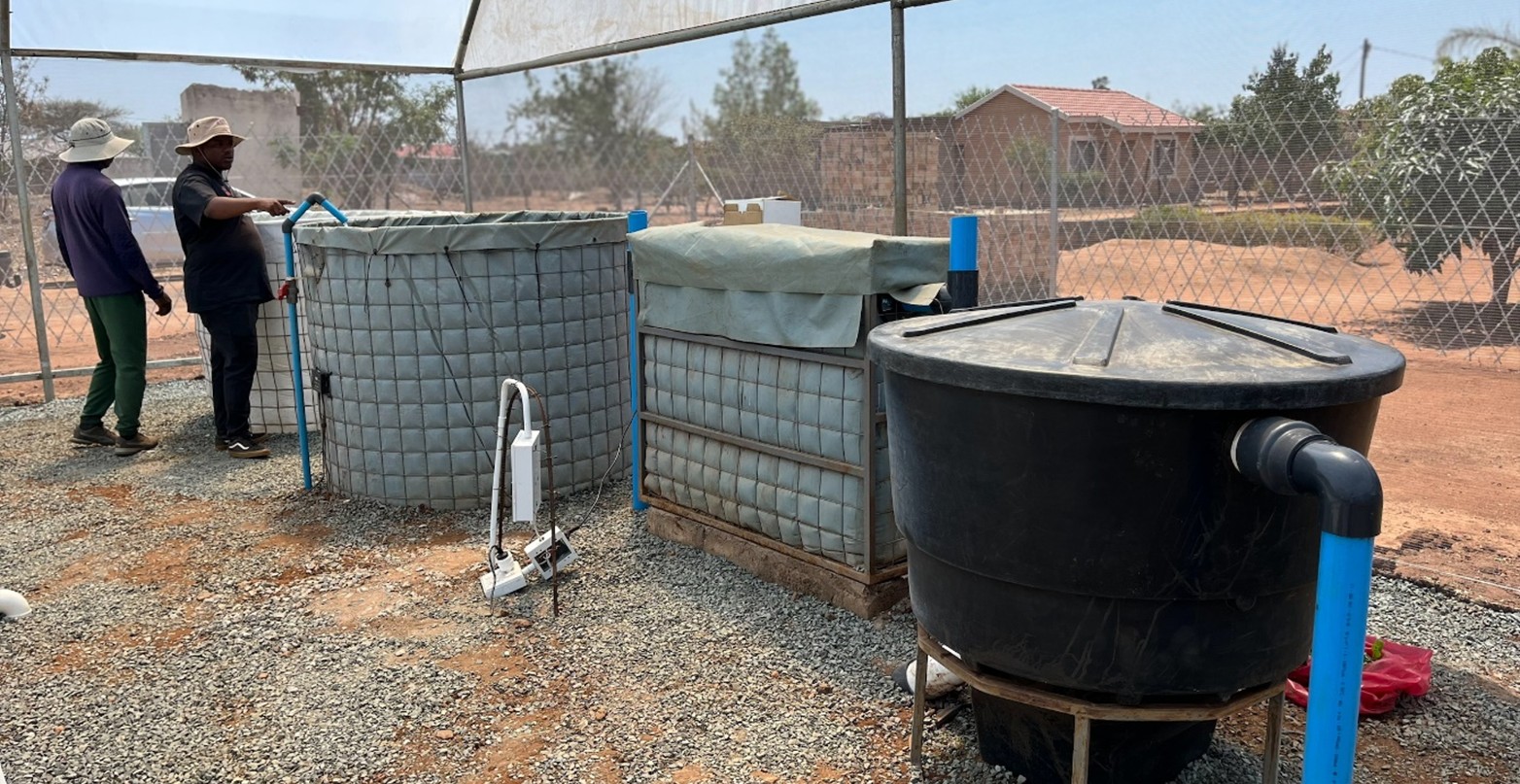
The facility is developed to accommodate over 2,000 crops and 175 kilograms of fish, operating on a closed-loop system where nutrient-rich water from the fish tanks fertilised plants through hydroponics. This efficient process not only conserved water and reduced waste but also enhanced production output, aligning perfectly with the principles of climate-smart agriculture.
The establishment of Baswa Climate Grow represents a significant stride towards sustainable rural development. The project demonstrated how innovative agricultural technologies could be adapted to rural contexts to address key challenges such as climate variability, water scarcity, and limited arable land. By integrating aquaculture and hydroponics, the enterprise presents a practical and replicable solution that contributed to both food security and economic empowerment within the community.
Moreover, the initiative underscored the value of collaboration among farmers, government institutions, and private sector partners. Through such partnerships, Baswa Climate Grow received essential technical guidance, capacity-building support, and resource inputs necessary to ensure the long-term sustainability of its operations. This collective approach illustrates the importance of shared responsibility in advancing climate-smart agricultural practices across the province.
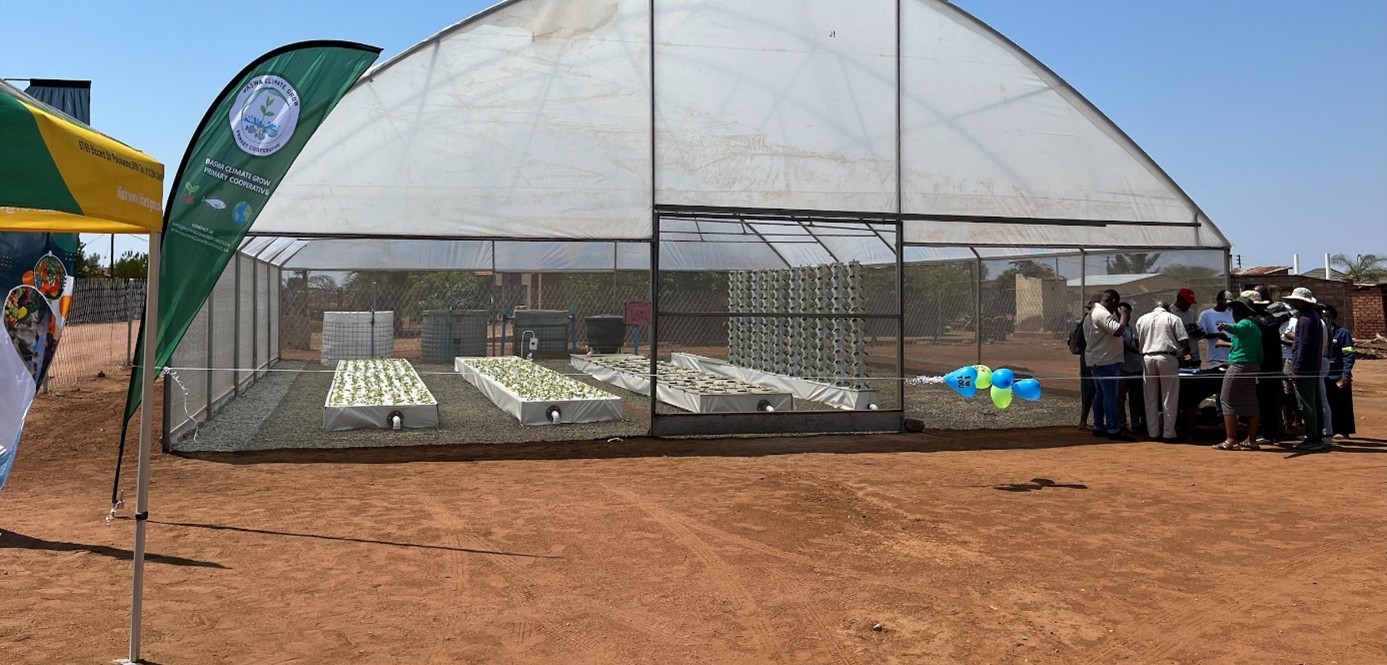
Beyond its technical achievements, the project delivered broader socio-economic benefits. It created local employment opportunities, inspired youth participation in modern farming, and strengthened community resilience against the effects of climate change. The initiative also serves as a learning platform for other emerging farmers interested in adopting similar sustainable models.
The success of Baswa Climate Grow reaffirms the province’s commitment to promoting environmentally responsible agricultural practices that balance productivity with sustainability. By embracing innovation and fostering collaboration, government continues to pave the way for a more resilient and food-secure future — demonstrating that a climate-smart farming community is, indeed, a thriving community.